Blog
Counting Balance Made Easy: Proven Strategies, Tools, and Tips for Accurate Financial Tracking

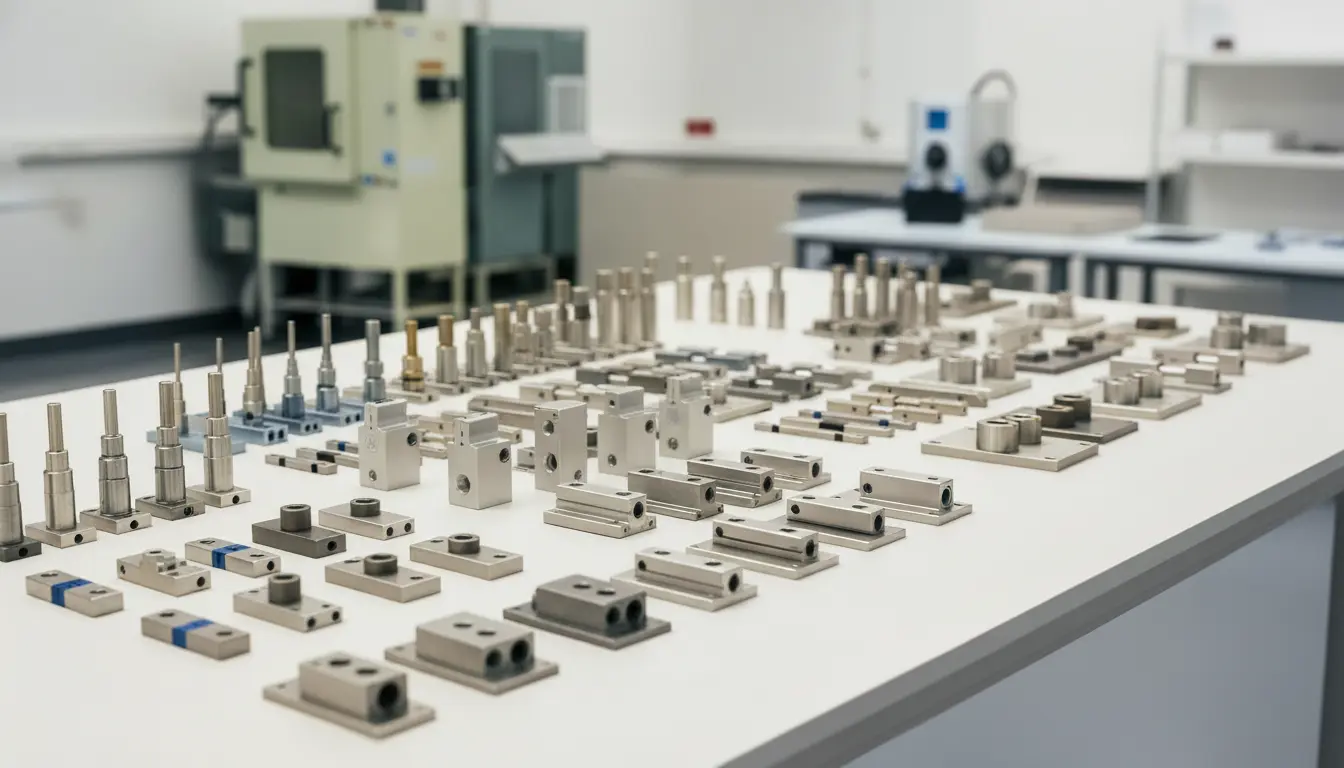
Counting balance is the cornerstone of reliable piece‑count weighing, inventory control, and cost accounting in every modern manufacturing and laboratory environment. Yet many Australian engineers, procurement managers, OEM integrators, lab technicians, and QA teams still wrestle with incorrect specifications, cheap counterfeit units, and poorly calibrated systems that silently erode profitability. This guide demystifies the technology, walks you through a systematic selection process, highlights common pitfalls, and showcases a curated set of high‑performance counting balance models available from LoadCellShop Australia – your one‑stop source for end‑to‑end solutions and free technical consultation.
Ready to upgrade? Visit our online shop at https://www.loadcellsolutions.com.au or call +61 4415 9165 for a no‑obligation quote.
Why Accurate Counting Balances Matter
In an era where lean inventory and cost‑per‑piece transparency are non‑negotiable, a counting balance does more than display a weight reading:
| Business Benefit | Impact of Inaccuracy |
|---|---|
| Material cost control | Over‑ordering or under‑ordering raw material leads to waste or production delays. |
| Product compliance | Regulatory audits (e.g., ISO 9001, GMP) require traceable, repeatable measurements. |
| Production efficiency | Mis‑counts cause re‑work, bottlenecks, and idle labor. |
| Financial reporting | Erroneous piece counts distort cost of goods sold (COGS) and profit margins. |
A well‑chosen counting balance safeguards every link in this chain by delivering repeatable, high‑resolution readings that translate directly into reliable piece counts.
How a Counting Balance Works – The Load Cell Connection
At the heart of every modern counting balance is a load cell – a transducer that converts mechanical force (the weight of the sample) into an electrical signal proportional to that force. The signal is amplified, digitised, and processed by a microcontroller that applies the piece‑weight (known as the “unit weight”) to compute the count.
Key Technical Elements
| Element | Function | Typical Specification |
|---|---|---|
| Load Cell Type | Strain‑gauge or piezo‑resistive sensor that defines sensitivity and overload protection. | 0.5 % FS (full scale) non‑linearity, overload rating 150 % of rated capacity. |
| Capacity | Maximum weight the balance can safely handle. | 5 g – 200 kg, depending on model. |
| Resolution / Readability | Smallest increment the display can show – critical for low‑mass parts. | 0.01 g (10 mg) for micro‑balances; 0.1 g for industrial scales. |
| Accuracy Class | Deviation from true weight, expressed as a % of capacity or reading. | Class 0.2 % (high‑precision) to Class 1 % (general‑purpose). |
| Calibration | Process that aligns output signal with known reference masses. | Auto‑zero, multi‑point, temperature compensation. |
| Tare Function | Subtracts container or fixture weight for true net weight. | Automatic or manual tare, up to full‑scale subtraction. |
Understanding these elements lets you align the counting balance to your exact measurement challenge.
Selecting the Right Counting Balance – A Step‑by‑Step Guide
Choosing the best device is a structured decision, not a guesswork exercise. Follow these five steps to ensure you buy a scale that truly fits the job.
1. Define the Piece Weight and Count Range
- Unit weight = average mass of a single item (e.g., a screw = 0.45 g).
- Maximum batch size = highest number of pieces you’ll weigh in one go.
Rule of thumb: The scale’s capacity should be at least 1.5 × the total batch weight (unit weight × max count). This provides headroom for overload protection and reduces measurement drift.
2. Determine Required Accuracy
- For high‑value components (e.g., aerospace fasteners), aim for Class 0.2 % or better.
- For bulk raw material (e.g., sand), Class 1 % may be sufficient.
Calculate the permissible error:
[
\text{Allowed error (g)} = \text{Capacity (g)} \times \frac{\text{Accuracy class (\%)}}{100}
]
If your allowable error is ±0.1 g and you need to count 10 000 pcs of 0.5 g each, you’ll need a balance with ≤ 0.01 % accuracy – typically a laboratory‑grade model.
3. Choose the Load Cell Technology
| Application | Recommended Load Cell |
|---|---|
| High‑speed counting (≥ 500 pcs / s) | Strain‑gauge load cell with high bandwidth and low hysteresis. |
| Cleanroom / pharmaceutical | Piezo‑resistive load cell offering minimal thermal drift and sealed construction. |
| Harsh environments (dust, moisture) | Stainless‑steel sealed load cell (IP‑67 rating). |
4. Evaluate Ancillary Features
- Auto‑counting software (integrates with ERP/MES).
- Multi‑tare for different container types.
- On‑board data logging (CSV, USB, Ethernet).
- Environmental compensation (temperature, humidity).
5. Verify Compliance & Support
- Check for OIML or NIST certification.
- Confirm the vendor offers calibration services, spare parts, and technical support within Australia.
By systematically ticking these boxes, you avoid the common traps explored in the next section.
Where Buyers Go Wrong – Lessons from the Field
1. Chasing Low Price Over Quality
| Symptom | Consequence |
|---|---|
| Purchasing a budget balance with 1 % accuracy to save a few hundred dollars. | Piece count drifts by dozens of units per batch, inflating inventory variance. |
| Using a non‑sealed load cell in a dusty workshop. | Cell fouling → zero‑shift and premature failure. |
Cheaper options often lack proper temperature compensation, stable calibration curves, and durable enclosures. The hidden cost appears as re‑calibration fees, downtime, and scrap.
2. Selecting the Wrong Capacity
Buying a 200 kg balance for a process that never exceeds 2 kg may seem safe, but:
- Resolution drops (e.g., 0.1 g readability) – unacceptable for tiny components.
- Higher power consumption and larger footprint increase installation cost.
3. Ignoring Software Integration
A balance that cannot export data to your MES or ERP forces manual entry, inviting transcription errors and slowing production.
4. Not Accounting for Environmental Factors
Deploying a non‑temperature‑compensated scale in a workshop with ±15 °C swings leads to systematic bias that compounds over weeks.
When Cheaper Options Fail – Real‑World Case Studies
| Scenario | Cheap Balance Used | Failure Mode | Financial Impact |
|---|---|---|---|
| Pharmaceutical tablet counting | 0.5 % accuracy, non‑sealed cell | Moisture ingress caused drift of +0.2 g → 400 extra tablets counted per batch. | Recall cost AUD 250 k + reputation loss. |
| Automotive fastener batching | 1 % class, 10 kg capacity | Resolution limited to 0.1 g → mis‑count of up to 2 % on 2 g screws. | Over‑stock of 12 % → carrying cost AUD 15 k/yr. |
| Recyclable metal sorting | Low‑cost load cell, no software API | Data could not be fed into PLC, requiring manual tally. | Labor increase AUD 8 k/month. |
These examples illustrate the hidden expense of under‑specifying your counting balance.
When NOT to Use Certain Products
| Product Type | Unsuitable Situation | Reason |
|---|---|---|
| Handheld pocket balances (≤ 500 g) | High‑volume production lines (> 100 pcs / min). | Lack of auto‑tare, low durability, and manual operation. |
| Kitchen scales (Class 2 %) | Precision aerospace component verification. | Accuracy class far exceeds acceptable limits. |
| Analog dial balances | Integration with digital inventory systems. | No data output, prone to mechanical wear. |
If any of the above apply, steer clear and opt for an industrial‑grade counting balance equipped with digital interfaces and higher accuracy.
Comparison Table – Standard vs. Premium Counting Balances
| Feature | Standard Industrial Balance | Premium Laboratory Balance |
|---|---|---|
| Capacity | 0.5 kg – 50 kg | 0.1 kg – 10 kg |
| Resolution | 0.01 g | 0.001 g |
| Accuracy Class | 0.5 % – 1 % | 0.02 % – 0.2 % |
| Load Cell | Stainless‑steel strain gauge | Piezo‑resistive sealed cell |
| Environmental Rating | IP‑54 | IP‑65 |
| Interface | RS‑232, USB | Ethernet, Wi‑Fi, USB‑C |
| Software | Basic tally | Full ERP/MES integration, statistical process control |
| Price (AUD) | $600 – $1,200 | $2,500 – $6,500 |
| Best Use | Bulk raw material, packaging lines | Precision pharma, research labs, aerospace parts |
Product Recommendations from LoadCellShop Australia
Below are three counting balance models that consistently meet the demanding requirements of Australian industry. All are stocked by LoadCellShop Australia, operated by Sands Industries, and ship with a 12‑month warranty, free technical consultation, and optional 5 % bulk‑order discount.
| Model | Capacity | Accuracy Class | Material | Ideal Application | Approx. Price (AUD) | SKU |
|---|---|---|---|---|---|---|
| SAND‑CB‑2000 | 0 – 200 kg | 0.2 % | Stainless‑steel (AISI 316) | Large‑batch metal cutting scrap weighing; high‑throughput automotive plant. | $4,750 | SND‑CB‑2000 |
| SAND‑CB‑50G | 0 – 50 g | 0.05 % | Aluminium alloy (6061‑T6) | Pharmaceutical tablet counting; precision component verification. | $2,980 | SND‑CB‑50G |
| SAND‑CB‑5KG‑X | 0 – 5 kg | 0.1 % | Stainless‑steel (AISI 304) with IP‑67 sealing | Food‑grade bulk ingredient portioning; harsh‑environment mining ore sampling. | $3,620 | SND‑CB‑5KG‑X |
Why Each Model is Suitable
| Model | Suitability | When It’s NOT Ideal | Better Alternative |
|---|---|---|---|
| SAND‑CB‑2000 | Handles heavy loads up to 200 kg, provides 0.2 % accuracy, robust stainless housing for corrosive environments. | Not suitable for micro‑gram precision tasks where resolution < 0.01 g is required. | For ultra‑low‑mass items, consider SAND‑CB‑50G. |
| SAND‑CB‑50G | 0.05 % accuracy and 0.001 g resolution make it perfect for counting small, high‑value parts. | Overkill for bulk commodity weighing (e.g., sand), where capacity is insufficient. | For bulk, switch to SAND‑CB‑5KG‑X or SAND‑CB‑2000. |
| SAND‑CB‑5KG‑X | IP‑67 rating protects against dust and water; 0.1 % accuracy balances precision and capacity for medium‑size batches. | In environments where extreme temperature variation (> ±30 °C) occurs, additional temperature compensation may be needed. | Pair with an external temperature‑compensated load cell for critical applications. |
All three models integrate effortlessly with our free calibration service and can be linked to the LoadCellShop ERP plug‑in for automated tallying.
Explore the full catalogue: https://www.loadcellsolutions.com.au/shop
Installation & Calibration – Best Practices
A counting balance only performs as well as its installation. Follow these seven steps to ensure optimal accuracy.
Location Selection
- Place on a vibration‑isolated platform (e.g., granite slab).
- Keep away from drafts, direct sunlight, and heat sources.
Leveling
- Use the built‑in bubble level or precision spirit level; adjust leveling screws until the indicator reads 0.0 g.
Electrical Grounding
- Connect the balance chassis to earth ground to minimise electromagnetic interference (EMI).
Temperature Stabilisation
- Allow at least 30 minutes for the instrument to equilibrate to ambient temperature before first measurement.
Zero‑ing / Taring
- Perform an automatic zero (no load) and record the tare value of any containers.
Calibration
- Use certified calibration weights (Class 0.2 or better).
- Perform a multi‑point calibration (e.g., 10 %, 50 %, 90 % of full scale).
- Document the calibration report for audit trails.
Verification
- Run a repeatability test (10 consecutive weighings of a known mass).
- Confirm the standard deviation is within the specification (usually ≤ 0.02 % of capacity).
Routine Maintenance
- Clean the load‑cell platform with a lint‑free cloth.
- Inspect sealing gaskets quarterly.
- Schedule annual re‑calibration with an accredited lab or via LoadCellShop’s on‑site service.
Integrating Counting Balances with Enterprise Systems
Modern factories demand real‑time data. Here’s how to bridge your counting balance to ERP/MES:
| Integration Method | Description | Typical Use Cases |
|---|---|---|
| Serial (RS‑232/RS‑485) | Simple point‑to‑point communication; reliable for line‑side controllers. | Stand‑alone counting stations, PLC‑driven lines. |
| Ethernet / TCP‑IP | High‑speed networked data, supports multiple devices on a LAN. | Centralised production monitoring, remote diagnostics. |
| OPC‑UA | Platform‑independent standard for industrial automation; offers security and data modelling. | Large manufacturers with SCADA or DCS systems. |
| Web‑API (RESTful) | Cloud‑ready, enables direct upload to SaaS ERP. | Distributed facilities, multi‑site inventory management. |
LoadCellShop can supply optional communication modules and assist with driver configuration, ensuring seamless data flow from the balance to your business intelligence dashboards.
Frequently Asked Questions (FAQ)
Q1: How often should I recalibrate my counting balance?
A: At minimum annually, or after any mechanical shock, environmental change (> 10 °C), or after a major repair. High‑precision applications may require quarterly verification.
Q2: Can a single balance handle multiple product types with different unit weights?
A: Yes. Use the balance’s multi‑tare function and store multiple unit weight profiles in the onboard memory or via the software interface.
Q3: What is the difference between accuracy class and resolution?
A: Resolution is the smallest increment the display can show; accuracy class quantifies how close the reading is to the true value, typically expressed as a percentage of the full scale.
Q4: Are the balances covered by a warranty?
A: All LoadCellShop models come with a standard 12‑month manufacturer warranty, extendable up to 5 years with a service contract.
Q5: Do you provide custom load cells for non‑standard capacities?
A: Absolutely. We offer custom load cells on request, engineered to your specifications and certified to Australian standards.
Bottom Line – Choose the Right Counting Balance, Choose LoadCellShop
Investing in a correctly specified counting balance eliminates costly recounts, reduces waste, and provides the data integrity needed for modern financial tracking. By avoiding cheap, under‑performing devices and opting for a solution backed by LoadCellShop Australia, you gain:
- Technical expertise – free consultation from seasoned measurement specialists.
- Comprehensive product range – from micro‑balances to heavy‑duty 200 kg units.
- Local support – fast shipping to all Australian states, on‑site calibration, and after‑sales service.
- Value‑added offers – 5 % off bulk orders and custom load‑cell engineering.
Take the next step. Contact our team at https://www.loadcellsolutions.com.au/our-contacts/ or browse the full selection at https://www.loadcellsolutions.com.au/shop. Let us help you turn accurate weight data into reliable financial insight.
LoadCellShop Australia (operated by Sands Industries)
Unit 27/191 McCredie Road, Smithfield NSW 2164, Australia
Phone: +61 4415 9165 | +61 477 123 699
Email: sales@sandsindustries.com.au
Website: https://www.loadcellsolutions.com.au
Your trusted partner for counting balances, load cells, and precision weighing solutions across Australia.