
Blog
Load Cell Buy: Smart Purchasing Guide for Precision Force Measurement

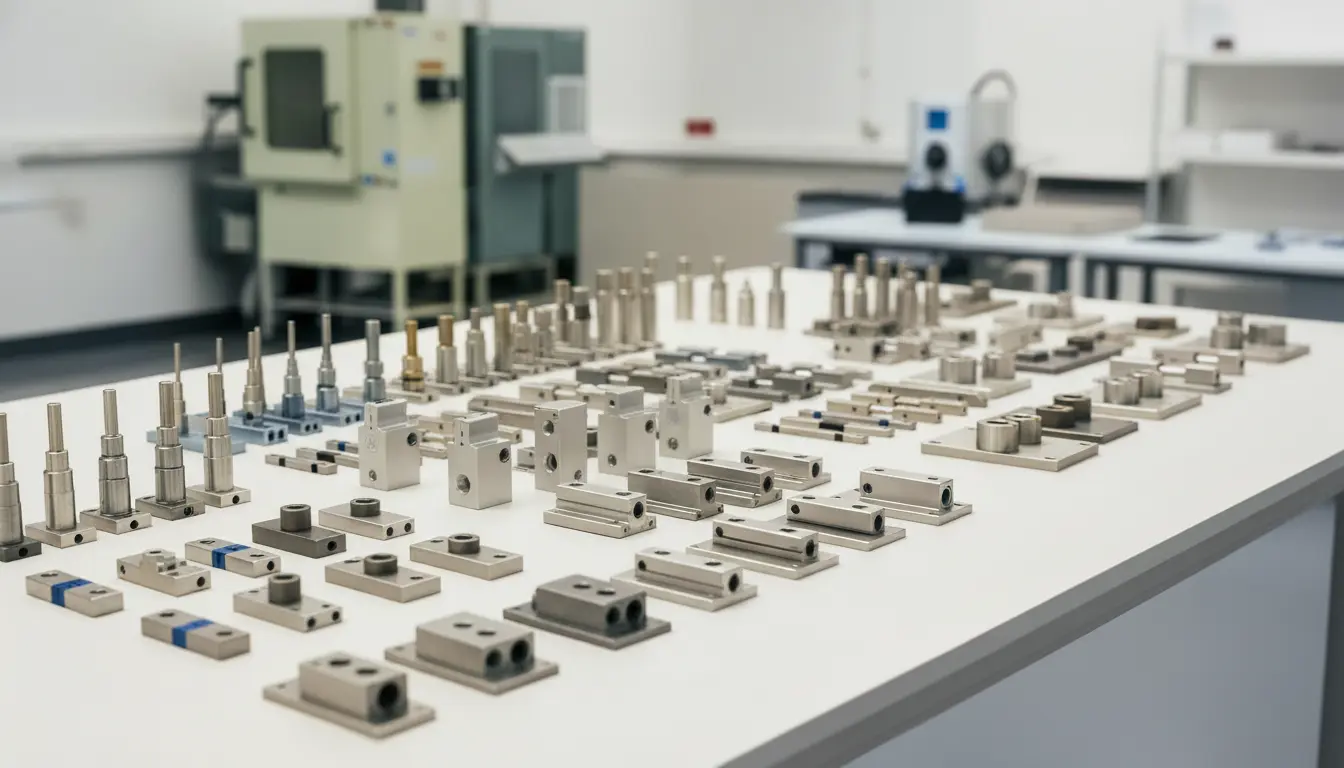
When organisations decide to load cell buy, they’re not just purchasing hardware they’re investing in precision, operational insight, and scalability. Whether for industrial automation, quality testing, or weighing systems, choosing the right load cell ensures performance longevity and measurable improvements in process reliability.
Request a Quote: Buy Load Cells Today
What Does “Load Cell Buy” Truly Mean?
The decision to load cell buy goes beyond selecting a sensor it’s about aligning measurement capabilities with your business objectives. A load cell is a transducer that converts force or weight into an electrical signal. Securing the right unit supports data‑driven processes, advanced analytics, and automated control systems.
By the time you finish this guide, you’ll understand how to purchase load cells that reliably integrate with your operations.
Why Organisations Decide to Load Cell Buy
Industries choose to load cell buy for clear, measurable results:
- Accurate force or weight measurement for production control
- Real‑time feedback in automation and robotics
- Quality assurance testing and verification
- Enhanced safety in lifting and load‑bearing systems
- Reduced downtime through predictive monitoring
Choosing the right load cell isn’t a cost it’s an investment in precision and performance.
Types of Load Cells to Buy
Choosing the correct type is mission‑critical at the point of load cell buy:
1. Compression Load Cells
Optimised for downward force measurement ideal for tanks, vessels, and structural load monitoring.
2. Tension Load Cells
Designed for pulling forces commonplace in material testing and tensile analysis.
3. S‑Type Load Cells
Versatile for tension and compression excellent for universal testing systems.
4. Shear Beam & Single‑Point Load Cells
Built for platform scales, conveyors, and industrial weighing applications.
Explore advanced options when you load cell buy to ensure you match sensor type with application conditions.
Top Considerations Before You Load Cell Buy
When enterprises load cell buy, they evaluate based on:
Load Range & Capacity
Select a cell with a range that accommodates peak forces and operational variances.
Accuracy & Repeatability
High‑precision measurement reduces waste, improves QA outcomes, and enhances automation decisioning.
Environmental Ratings
Look for IP‑rated units that withstand moisture, dust, chemicals, or vibration.
Output & Integration
Ensure compatibility with PLCs, data acquisition systems, and industrial networks.
Supplier Reliability
Choose partners with calibration certificates, responsive support, and proven performance history.
For a trusted supplier ecosystem, compare global leaders like Load Cell Solutions and Load Cell Shop both offer a wide spectrum of high‑quality measurement products that support enterprise needs.
Industrial Use Cases: Where to Buy Load Cells That Deliver Value
Organisations leveraging load cells experience transformative outcomes across:
Manufacturing & Robotics
Precise force measurement streamlines automated processes and reduces scrap rates.
Material Testing Labs
Certified measurement consistency is essential for compliance, reporting, and R&D.
➡Weighing & Batching Systems
Accurate weight data improves inventory tracking and ensures formulation precision.
When companies load cell buy with future scalability in mind, they unlock productivity gains and operational resilience.
How to Make Your Load Cell Buy Count
Here’s a practical playbook for executing a strategic load cell purchase:
- Clarify Application Requirements — map your force ranges, cycles, and tolerances
- Assess Integration Needs — ensure compatibility with PLCs, HMIs, or SCADA systems
- Validate Environmental Suitability — IP, shock, moisture, temperature effects
- Choose Certified Suppliers — with calibration, traceability, and local support
- Plan Lifecycle Support — installation, training, and responsive technical support
If you want expert consultation on your load cell selection, Request a Quote today and let our team align your requirements with optimal sensor technology.
Future Trends That Shape Load Cell Buys
As industries advance, the load cell buy journey evolves with transformative trends:
- Wireless Load Cells with IoT Connectivity – reducing installation costs and enabling remote monitoring
- AI‑Enhanced Predictive Analytics – turning measurement data into operational foresight
- Smart Calibration & Diagnostics – reducing maintenance and improving uptime
- Cloud‑Powered Real‑Time Dashboards – for enterprise visibility and data‑driven decision‑making
Buying load cells in the modern era means choosing solutions that support digital transformation goals.
Customer Support & Location
Sensor and Gauges
Unit 27/191, McCredie Road, Smithfield, NSW 2164
0477123699
sales@sandsindustries.com.au
Have a question about where to buy load cells or which type matches your use case? Drop us an email or WhatsApp anytime we’re here to help.
Conclusion: Load Cell Buy with Confidence
When you load cell buy, you’re setting the foundation for reliable measurement, smarter automation, and stronger business outcomes. By aligning sensor choice with your operational needs, environmental conditions, and integration goals, your organisation can optimise performance and accelerate innovation.
Purchasing the right load cell isn’t just about cost it’s about unlocking precision, resilience, and future‑ready capability across your systems.