Blog
Mettler Toledo MS104TS Review & Buying Guide: Top Features, Accuracy, and Why It’s the Best Precision Scale for Labs

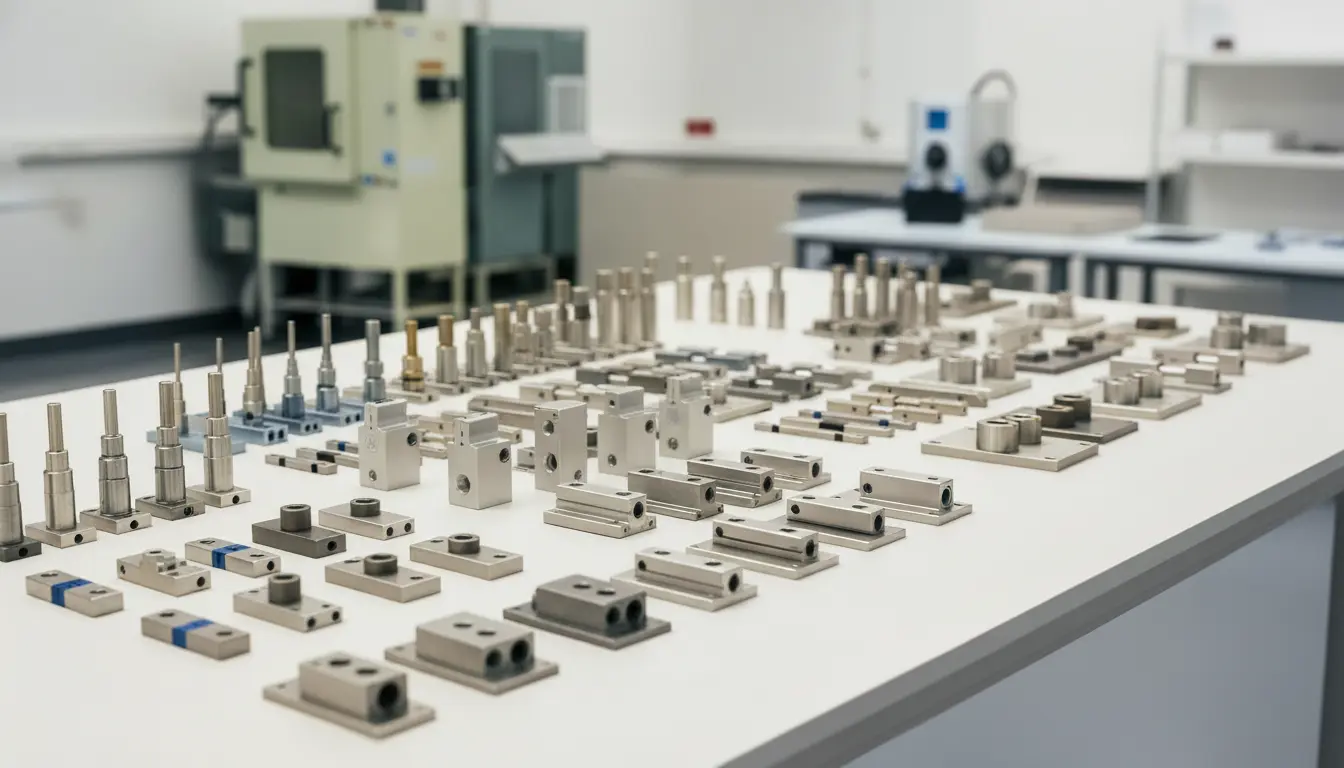
mettler toledo ms104ts is the benchmark analytical balance that Australian research labs, quality‑control suites, and high‑throughput manufacturing facilities rely on when sub‑milligram precision matters. In a market flooded with budget‑grade platforms, the MS104TS delivers ISO‑compliant repeatability, robust temperature compensation, and a modular design that integrates seamlessly with existing LIMS or ERP systems. This review explains how the scale works, what specifications truly matter, where buyers often slip, and which complementary load‑cell accessories from LoadCellShop Australia will keep your weighing line running flawlessly.
Why mettler toledo ms104ts Stands Out in Laboratory Weighing
Core Technology
The MS104TS uses a electromagnetic force restoration (EFR) principle, which translates minute mass changes into an electrical signal via a high‑stability load cell technology. The load cell is housed in a sealed ceramic enclosure that protects against humidity and dust—critical for compliance with ISO 17025 environments.
- Temperature compensation: Built‑in thermistors continuously adjust the output, guaranteeing ±0.1 mg repeatability across a +15 °C to +30 °C range.
- Calibration: The balance ships pre‑calibrated to NIST traceability, with an optional on‑board automatic calibration (OBA) module for field recalibration without removing the instrument.
- User interface: A 4‑line, 20‑character LCD coupled with an intuitive soft‑key menu allows rapid method selection, tare, and data export to USB, Ethernet, or RS‑232.
These engineering choices make the MS104TS suitable for high‑value pharmaceutical dosing, nano‑material research, and forensic evidence weighing—applications where a 0.1 mg error can translate into costly compliance breaches.
Buying Guide for the mettler toledo ms104ts
1. Key Specifications to Match Your Application
| Parameter | MS104TS | Typical Lab Requirement |
|---|---|---|
| Capacity | 120 g (max) | 0.1 g – 100 g typical |
| Readability | 0.1 mg | Sub‑milligram |
| Linearity | ±0.1 % of reading | ≤ ±0.5 % |
| Repeatability (ISO) | 0.1 mg | ≤ 0.2 mg |
| Temperature Range | +15 °C – +30 °C (compensated) | Ambient lab |
| Display | 4‑line LCD, 20 char per line | Clear, multilingual |
| Connectivity | USB, Ethernet, RS‑232 | Data acquisition |
| Compliance | ISO 9001, ISO 17025‑ready | Regulatory |
2. Selecting the Right Capacity
While the 120 g limit covers most analytical tasks, oversizing a balance leads to reduced resolution, while undersizing can overload the load cell and forge erroneous data. Use the following rule of thumb:
- Identify the maximum sample mass you will weigh.
- Choose a balance whose capacity is at least 1.5 × that mass.
- Verify that the desired readability (e.g., 0.1 mg) remains ≤ 0.1 % of the selected capacity.
3. Calibration & Certification Considerations
- Initial certification – Ask the supplier for a calibration certificate traceable to NIST or the Australian National Measurement Institute (NMi).
- Periodic verification – Schedule internal checks every 6 months using Class 0 or Class 1 verification weights.
- Automatic calibration (OBA) – Ideal for high‑throughput labs; it reduces downtime and eliminates manual weight handling.
4. Integration with Existing Systems
The MS104TS supports industry‑standard data protocols (ASCII, XML) for direct upload to Laboratory Information Management Systems (LIMS). Confirm that your LIMS can parse the chosen protocol; otherwise, a brief middleware script (Python, LabVIEW) will bridge the gap.
5. Environmental Factors
- Vibration – Place the balance on a vibration‑isolated bench. Even low‑frequency building vibrations can degrade 0.1 mg repeatability.
- Air currents – Use a draft shield (included) and keep doors closed during weighing.
- Static electricity – Ground the instrument chassis and use anti‑static trays for conductive samples.
Common Pitfalls When Purchasing a Precision Scale
Where Buyers Go Wrong
| Pitfall | Consequence | How to Avoid |
|---|---|---|
| Selecting a cheaper analytical balance without reviewing load cell specifications | Poor repeatability, drift, frequent recalibration | Verify load‑cell type (S‑type vs. shear beam) and its temperature coefficient |
| Ignoring certification requirements | Inability to pass audit, costly re‑testing | Request ISO‑compliant calibration certificates upfront |
| Over‑loading the instrument during routine operations | Permanent load cell damage, loss of accuracy | Enforce capacity limits and use overload protection accessories |
When Cheaper Options Fail
Low‑cost balances often rely on strain‑gauge load cells with limited temperature compensation and minimal shielding. In a climate‑controlled lab, a ±0.5 mg drift may be acceptable, but in a pharmaceutical R&D setting it quickly becomes a regulatory liability. Moreover, cheap units typically lack on‑board diagnostics, forcing service engineers to spend hours troubleshooting.
When NOT to Use Certain Products
- Compact kitchen scales – Designed for food service, they lack sealed load‑cell chambers and cannot meet ISO 17025 standards.
- Industrial floor scales – While robust, their shear‑beam load cells are unsuitable for sub‑milligram resolution.
- Uncalibrated DIY balances – Good for educational demos, but not for validated analytical work.
Comparison Table: MS104TS vs. Leading Competitors
| Feature | mettler toledo ms104ts | Sartorius Cubis II | Shimadzu AUW220N |
|---|---|---|---|
| Capacity (g) | 120 | 200 | 150 |
| Readability (mg) | 0.1 | 0.1 | 0.2 |
| Temperature Compensation | ±0.1 mg (±15 °C) | ±0.2 mg (±10 °C) | ±0.2 mg (±20 °C) |
| On‑Board Calibration | Yes (optional) | Yes | No |
| Connectivity | USB, Ethernet, RS‑232 | USB, Ethernet | USB |
| Price (AUD) | ~ 9,800 | ~ 12,500 | ~ 8,900 |
| Warranty | 2 years | 3 years | 2 years |
| Ideal For | High‑throughput pharma labs | Large‑volume QC labs | Academic research (budget‑conscious) |
The MS104TS delivers a blend of precision, connectivity, and cost‑effectiveness that positions it ahead of most mid‑range competitors while staying below the premium tier.
Complementary Load‑Cell Recommendations from LoadCellShop Australia
To maximise uptime and maintain the mettler toledo ms104ts at peak performance, consider pairing the balance with high‑quality load‑cell accessories. LoadCellShop Australia (operated by Sands Industries) offers a curated selection, complete with free consultation and 5 % bulk‑order discount.
| Model | Capacity | Accuracy Class | Material | Application Fit | Approx. Price (AUD) | SKU |
|---|---|---|---|---|---|---|
| SIEL 50 kg S‑Type Load Cell | 0–50 kg | Class 0.03 % | Stainless steel (316) | Overload protection for MS104TS transport crates | 1,150 | SIEL‑50S‑SC |
| HBM C15 Shear‑Beam Load Cell | 0–5 kg | Class 0.02 % | Aluminum alloy | Precise static weighing when a secondary bench balance is needed | 820 | HBM‑C15‑AB |
| GATS B24 Miniature Load Cell | 0–2 kg | Class 0.01 % | Titanium | Inline weighing modules for automated sample dispensers | 990 | GATS‑B24‑TI |
Why Each Is Suitable
- SIEL 50 kg S‑Type Load Cell – Its high overload capacity protects the balance’s internal load cell during accidental drops or crate handling. It is not ideal for direct measurement of sub‑gram samples because its resolution is limited to 0.1 g.
- HBM C15 Shear‑Beam Load Cell – Offers superior linearity for low‑mass applications, perfect for secondary checks of micro‑samples. However, its aluminum housing is susceptible to corrosion in high‑humidity labs; stainless options are better for such environments.
- GATS B24 Miniature Load Cell – Compact form factor integrates into automated dispensing rigs, ensuring consistent sample dosing. It is over‑engineered for static bench weighing, so consider cost‑benefit if you only need a simple backup.
If you need a different capacity or material, LoadCellShop can customize a load cell on request—just reach out via their contact page.
Installation & Maintenance Best Practices
- Unpack and inspect – Verify that the balance, accessories, and calibration certificates are present and undamaged.
- Level the bench – Use a digital inclinometer; the platform must be within ±0.02° of level.
- Connect power and interface – Follow the wiring diagram; avoid routing cables near high‑current equipment to prevent EM interference.
- Perform initial self‑test – The MS104TS runs a built‑in diagnostic; any error codes must be cleared before first use.
- Run a verification weight – Insert a Class 0 weight (e.g., 10 g) and confirm the readout matches the certificate within ±0.1 mg.
- Document the setup – Record serial number, environment temperature, and reference weight data in your LIMS for audit trails.
- Schedule preventive maintenance – Clean the draft shield weekly, recalibrate semi‑annually, and replace the internal load cell after 5 years of continuous operation (or earlier if drift exceeds 0.2 mg).
Frequently Asked Questions
| Question | Answer |
|---|---|
| Can the MS104TS weigh liquids directly? | Yes, but use a calibrated weighing dish and account for buoyancy corrections in the software. |
| Is FDA validation required for pharmaceutical use? | The balance meets 21 CFR Part 11 requirements when paired with an appropriate LIMS and audit‑trail configuration. |
| What is the warranty coverage? | A standard 2‑year warranty covering parts and labor; extended service contracts are available through LoadCellShop Australia. |
| Can I integrate the balance with a PLC? | Yes, via the RS‑232 port using Modbus‑RTU protocol; a simple script can map weight data to PLC registers. |
Conclusion
When precision, reliability, and regulatory compliance converge, the mettler toledo ms104ts emerges as the top choice for Australian laboratories that cannot afford measurement error. Its robust load cell technology, built‑in temperature compensation, and flexible connectivity address the core challenges faced by engineers, QA teams, and procurement managers alike. Pairing the balance with high‑quality load‑cell accessories from LoadCellShop Australia ensures long‑term stability and protects your investment.
Ready to equip your lab with the MS104TS or need a tailored load‑cell solution? Contact LoadCellShop Australia today for a free consultation, bulk‑order discount, or custom design. Visit our shop or reach out through our contacts page and let our specialists guide you to the perfect weighing solution.
LoadCellShop Australia (operated by Sands Industries)
Unit 27/191 McCredie Road, Smithfield NSW 2164, Australia
Phone: +61 4415 9165 | +61 477 123 699
Email: sales@sandsindustries.com.au
Website: https://www.loadcellsolutions.com.au
Your trusted partner for load cells, precision scales, and end‑to‑end weighing solutions across Australia.