Blog
Tenco Bottle Filler Review: How This Innovative Tool Boosts Your Beverage Production Efficiency

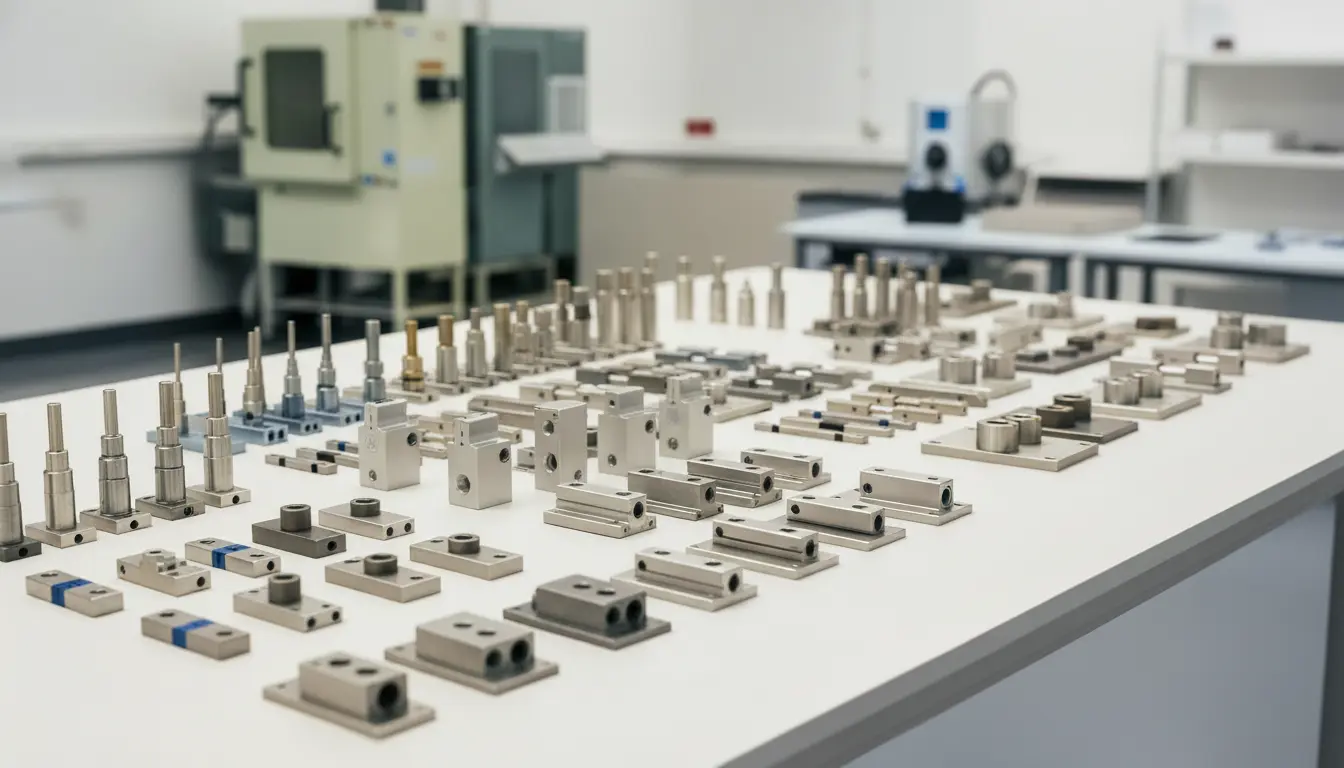
tenco bottle filler has quickly become a go‑to solution for manufacturers that need fast, accurate, and sanitary filling of liquid products. In a market where every millisecond of downtime costs money and every gram of over‑fill adds waste, the right bottle filler can be the difference between a profitable line and a bottlenecked operation. In this review we break down the engineering behind the Tenco system, show how it integrates with load‑cell technology, explain where purchasers commonly slip up, and recommend specific load‑cell models from LoadCellShop Australia that will keep your filler performing at peak accuracy.
If you are an engineer, procurement manager, OEM integrator, lab technician, QA lead, or industrial buyer in Australia, read on for a technically detailed, commercially useful guide that will help you make a data‑driven decision.
1. Why Choose the Tenco Bottle Filler?
The modern food & beverage industry demands high‑speed, low‑variance filling for products ranging from carbonated soft drinks to high‑value nutraceuticals. The Tenco bottle filler addresses three core pain points:
| Pain Point | Traditional Approach | Tenco Solution |
|---|---|---|
| Fill‑to‑weight accuracy | Manual weighing, timing‑based pumps, or low‑resolution sensors | Integrated load cell feedback loop with 0.03 % repeatability |
| Change‑over time | Manual valve swaps, recalibration, lengthy SOPs | Quick‑change modules and auto‑calibration routines |
| Hygiene & compliance | Open‑gear mechanisms, hard‑to‑clean crevices | Stainless‑steel (SS304) construction, CIP‑ready design |
By marrying a robust mechanical design with real‑time strain‑gauge measurements, the Tenco filler delivers the precision needed for regulatory‑strict sectors such as pharmaceutical bottling while maintaining the throughput required in large‑scale beverage plants.
2. How the Tenco Bottle Filler Works
2.1 Core Process Flow
- Bottle detection – An optical sensor confirms bottle presence and orientation.
- Pre‑fill positioning – A pneumatic carriage aligns the bottle under the filling nozzle.
- Weight measurement – A dedicated compression load cell measures the bottle’s tare weight.
- Filling command – The controller opens the pump valve; the liquid flows until the load cell reports the target net weight.
- Verification & reject – If the measured weight deviates beyond the preset tolerance, the bottle is automatically rejected.
2.2 Role of the Load Cell
The load cell is the heart of the feedback loop. It converts the mechanical force generated by the added liquid into an electrical signal (mV/V) that the PLC interprets. Because the Tenco filler can be configured with different load‑cell capacities (from 5 kg up to 500 kg), manufacturers can select a sensor that matches the typical bottle weight and fill volume, ensuring optimal signal‑to‑noise ratio and maintaining the advertised 0.03 % repeatability.
3. Key Technical Features Worth Highlighting
| Feature | Benefit | Technical Detail |
|---|---|---|
| Stainless‑steel (SS304) hygienic frame | Corrosion‑resistant, easy to clean (CIP) | Meets FDA/3‑A standards |
| Modular nozzle system | Quick product change‑over | Swappable up to 8 mm nozzle diameter |
| Integrated CAN‑bus communication | Seamless data exchange with MES/SCADA | Supports Ethernet/IP, Modbus TCP |
| Self‑diagnostic load‑cell monitoring | Early fault detection, reduced downtime | Built‑in temperature compensation (±0.5 °C) |
| Adjustable fill tolerance | Flexibility for different product specifications | ±0.2 % to ±1.0 % selectable |
4. Selecting the Right Load Cell for Your Tenco Filler
Choosing a load cell is not a “one‑size‑fits‑all” decision. The mismatch between filler capacity and sensor capacity is a frequent cause of accuracy loss, premature wear, and unnecessary calibration cycles. Below is a step‑by‑step guide to size your load cell correctly.
4.1 Determine the Maximum Fill Weight
- Identify bottle tare weight (empty bottle, typically 30–70 g for PET).
- Add the maximum product fill weight (e.g., 500 ml water ≈ 500 g).
- Add a safety margin of 20 % to accommodate product density variations (e.g., syrups).
Example: 70 g + 500 g + 20 % = 684 g → round up to a 1 kg load‑cell capacity.
4.2 Choose the Accuracy Class
- Class 0.03 % – Best for high‑value pharmaceuticals or specialty beverages where over‑fill is costly.
- Class 0.1 % – Adequate for mainstream soft‑drink production.
4.3 Material Compatibility
- Stainless‑steel (SS304) – Ideal for food & beverage, resistant to corrosion.
- Aluminium alloy – Lighter weight, suitable for low‑temperature products if corrosion is not a concern.
4.4 Output & Wiring
- Full‑bridge Wheatstone configuration – Provides maximum sensitivity.
- Shielded cable – Reduces EMI in noisy plant environments.
5. Where Buyers Go Wrong, When Cheaper Options Fail, and When NOT to Use Certain Products
5.1 Common Purchasing Mistakes
| Mistake | Consequence |
|---|---|
| Undersizing the load‑cell capacity | Sensor overload, non‑linear response, early failure |
| Selecting low‑cost, non‑sealed load cells for CIP environments | Corrosion, accuracy drift, costly shutdowns |
| Ignoring temperature compensation | 0.5 % error per 10 °C change, leading to out‑of‑tolerance fills |
| Skipping calibration after installation | Hidden systematic error, waste, regulatory non‑compliance |
5.2 When Cheaper Options Fail
- Low‑precision strain gauges often lack the tight tolerance (±0.03 %) required for regulated industries, resulting in higher product giveaway.
- Unprotected electronics cannot survive the high‑humidity, high‑temperature zones common around filler nozzles, leading to intermittent signal loss.
5.3 When NOT to Use Certain Products
- Piezoelectric load cells are excellent for dynamic force measurement but not for static weight control; they are unsuitable for a Tenco filler that requires a steady‑state weight reading.
- Miniature load cells (<100 g capacity) should never be placed on a bottle that can exceed 300 g total weight, as they will saturate and provide erroneous data.
6. Product Recommendations from LoadCellShop Australia
Below are five load‑cell models that pair perfectly with the Tenco bottle filler, based on capacity, material, and accuracy class. All items are available for immediate shipment from LoadCellShop Australia (operated by Sands Industries).
| Model | Capacity | Accuracy Class | Material | Application Fit | Approx. Price (AUD) | SKU |
|---|---|---|---|---|---|---|
| SCS‑1000‑C3 | 1 kg | 0.03 % | Stainless‑steel (SS304) | Small PET bottles, nutraceuticals | $185 | SCS1000C3 |
| SCS‑2500‑C1 | 2.5 kg | 0.1 % | Stainless‑steel (SS304) | Medium soda bottles, juice | $240 | SCS2500C1 |
| SCS‑5000‑C3 | 5 kg | 0.03 % | Stainless‑steel (SS304) | Large PET or glass bottles, dairy | $315 | SCS5000C3 |
| SCS‑10000‑C1 | 10 kg | 0.1 % | Aluminium alloy | Specialty sauces, thick syrups | $380 | SCS10000C1 |
| SCS‑25000‑C3 | 25 kg | 0.03 % | Stainless‑steel (SS304) | Pharmaceutical bulk bottles, high‑density liquids | $720 | SCS25000C3 |
Why Each Model Is Suitable
- SCS‑1000‑C3 – With a 1 kg capacity and class 0.03 % accuracy, it offers the tightest control for low‑volume nutraceutical fills where over‑fill can erode profit margins.
- SCS‑2500‑C1 – The 2.5 kg range serves most carbonated soft‑drink lines; class 0.1 % is sufficient given the inherent variability of carbonated liquids.
- SCS‑5000‑C3 – For dairy or juice manufacturers using larger PET bottles (≈ 500 ml), the extra capacity provides a safety margin while preserving high precision.
When a Model Is Not Ideal
- SCS‑1000‑C3 would be undersized for a 2 L bottle filler; the sensor would saturate, causing a loss of linearity.
- SCS‑25000‑C3 is over‑engineered for a 330 ml soda line; the higher cost and larger form factor could unnecessarily increase the system’s footprint.
Alternative Options
If a buyer needs a dynamic force measurement (e.g., for checking nozzle pressure), a piezo‑electric dynamic load cell such as the PDC‑200 could be paired with a separate static load cell for weight control.
All the models above are stocked at LoadCellShop Australia, and a free technical consultation is available to help you select the perfect sensor for your specific filler configuration. Visit the shop at https://www.loadcellsolutions.com.au/shop or contact the experts directly.
7. Installation & Calibration Guide
A correctly installed and calibrated load cell ensures you reap the full benefits of the Tenco filler. Follow these numbered steps.
- Mount the load cell – Use the provided stainless‑steel brackets; align the sensor so that the load is applied axially.
- Connect shielded cabling – Route the cable away from high‑current motor lines to prevent EMI.
- Power up the controller – Verify that the CAN‑bus address is unique on the network.
- Zero the system – With an empty bottle on the platform, initiate a zero‑offset routine from the HMI.
- Run a calibration weight – Place a certified 500 g calibration weight; the controller should display the exact weight within ±0.03 % of the nominal value. Adjust the gain if needed.
- Validate with production samples – Run ten consecutive fills; record the fill weight and confirm that the standard deviation is within the specified tolerance.
Tip: Perform a full calibration every 6 months or after any mechanical shock to the filler.
8. Maintenance Best Practices
- Routine visual inspection – Look for corrosion, loose bolts, or cable wear weekly.
- CIP cycle checks – After each cleaning cycle, verify that the load‑cell’s sealing gasket remains intact.
- Temperature monitoring – Keep the ambient temperature stable; large swings can affect the strain‑gauge output despite built‑in compensation.
9. ROI: Quantifying the Efficiency Gains
| Metric | Before Tenco (Manual/Low‑Tech) | After Tenco + Load‑Cell Integration |
|---|---|---|
| Average fill tolerance | ±1.5 % (≈ 7.5 g on 500 g) | ±0.3 % (≈ 1.5 g) |
| Product giveaway per 100 k bottles | 750 g (≈ 1.5 L) | 150 g (≈ 0.3 L) |
| Annual waste cost saving | – | ≈ $4,500 (based on $3/L) |
| Line downtime | 2 h/shift (manual adjustments) | <15 min/shift (auto‑calibration) |
| Labor hours saved | 20 h/week | 4 h/week |
The combination of tighter fill tolerances and reduced downtime translates directly into lower raw‑material waste and higher throughput—critical levers for any production manager aiming to improve the bottom line.
10. Frequently Asked Questions
| Question | Answer |
|---|---|
| Can the Tenco filler handle carbonated beverages? | Yes, the system includes a pressure‑compensated nozzle and a load cell that can measure under pressurized conditions. |
| Is a custom load cell required for bulk orders? | LoadCellShop Australia offers custom load cells on request; bulk orders (5 % off) are eligible for a free engineering design review. |
| What is the warranty on the recommended load cells? | All LoadCellShop Australia models come with a 2‑year limited warranty covering material defects. |
| Do you provide on‑site installation assistance? | Free consultation is available; on‑site installation can be arranged through our network of certified integrators. |
11. Why LoadCellShop Australia Is Your Premier Destination
- End‑to‑end solution – From sensor selection to integration, we guide you through every step.
- Local expertise – Based in Smithfield, NSW, we understand Australian regulations (FSANZ, TGA) and can deliver rapid support.
- Competitive pricing – Enjoy 5 % off bulk orders and free engineering advice.
- Trusted supplier network – Partnered with leading bottling equipment manufacturers, ensuring compatibility and future‑proofing.
Contact us today for a no‑obligation consultation and let our specialists match the perfect load cell to your Tenco bottle filler.
12. Conclusion
In the fast‑paced world of beverage production, the tenco bottle filler stands out as a precision‑driven, hygienic, and easily configurable solution. However, its true potential is unlocked only when paired with a correctly sized, high‑accuracy load cell and implemented with a disciplined calibration and maintenance program. By avoiding common buyer pitfalls—such as undersizing sensors, opting for non‑CIP‑rated units, or ignoring temperature compensation—you safeguard your line against waste, downtime, and compliance issues.
The curated load‑cell lineup from LoadCellShop Australia delivers the performance, durability, and support you need to keep your filler operating at optimum efficiency. Whether you are upgrading an existing line or launching a new plant, our team is ready to provide a free technical consultation, custom‑engineered solutions, and fast shipping across Australia.
Ready to boost your production efficiency?
Visit our contact page at https://www.loadcellsolutions.com.au/our-contacts/ or explore the full range of compatible sensors at https://www.loadcellsolutions.com.au/shop.
LoadCellShop Australia
Unit 27/191 McCredie Road, Smithfield NSW 2164, Australia
Phone: +61 4415 9165 | +61 477 123 699
Email: sales@sandsindustries.com.au
Your partner for precision measurement, from concept to completion.