Blog
Top 10 Body Weight Scales with 500 lb Capacity: In‑Depth Reviews, Buying Guide & Best Deals

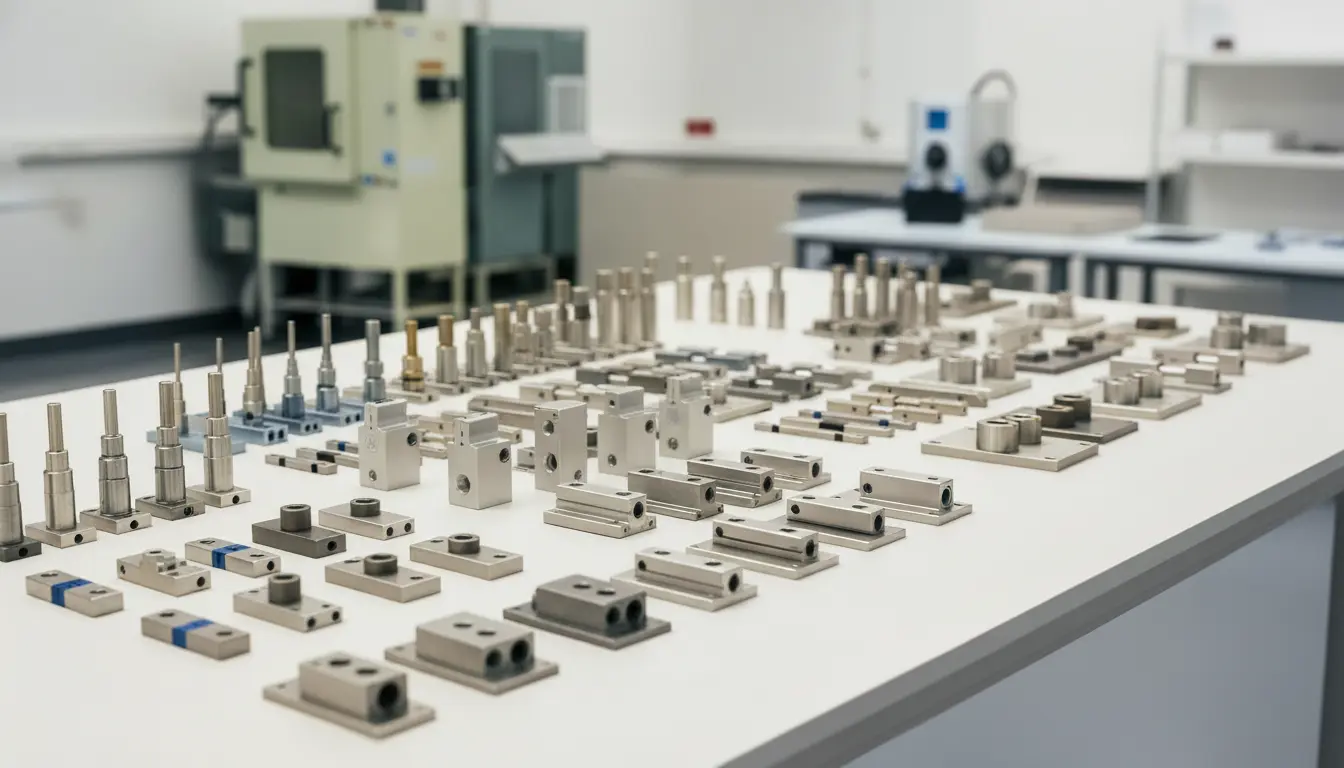
If you’re looking for a reliable body weight scale 500 lb capacity that can stand up to the rigors of a gym, clinic, or industrial setting, you’ve come to the right place. In this article we break down the technology behind high‑capacity weighing, expose the common pitfalls that trip up even seasoned engineers, and present the ten best‑in‑class units that deliver accuracy, durability, and value. All options are sourced from LoadCellShop Australia, the nation’s premier destination for load cells and weighing solutions, with free technical consultation, 5 % bulk‑order discounts, and custom‑made load cells on request.
What Makes a 500 lb Body Weight Scale Different?
A body weight scale 500 lb capacity must balance three core requirements:
| Requirement | Why It Matters | Typical Solution |
|---|---|---|
| High Accuracy | Small errors (±0.2 kg) can compromise health data or quality control. | Strain‑gauge load cells with Class 1 or Class 2 accuracy. |
| Robust Construction | Repeated foot traffic, drops, and humidity demand sturdy housing. | Grade 2 stainless steel platforms or reinforced polymer frames. |
| User‑Friendly Interface | Clinical staff and gym members need fast, clear read‑outs. | Backlit digital weight indicator, USB/RS‑485 output for data logging. |
When these elements are properly integrated, the scale delivers reliable readings from the lightest teen to the heaviest athlete without drift or mechanical fatigue.
How a High‑Capacity Body Weight Scale Works
- Load Cell Sensing – The platform’s load cells convert mechanical force (your weight) into an electrical signal. Most 500 lb models employ four‑point strain‑gauge load cells arranged in a Wheatstone bridge for temperature compensation.
- Signal Conditioning – The raw millivolt signal is amplified, filtered, and digitized by the scale’s internal processor.
- Calibration Curve – A software algorithm maps the digital count to a weight value, applying factory‑calibrated coefficients.
- Display & Communication – The final weight appears on an LCD/LED screen and can be exported via USB, Bluetooth, or RS‑485 for integration with health‑management systems.
Understanding this flow helps you evaluate spec sheets beyond “500 lb” and spot red flags such as “single‑point load cell” (often unsuitable for dynamic foot traffic) or “uncompensated bridge” (prone to temperature drift).
Buying Guide: Choosing the Right 500 lb Body Weight Scale
1. Define the Application Environment
| Environment | Recommended Features |
|---|---|
| Gym / Fitness Center | Reinforced steel platform, IP 65 protection, anti‑slip coating, quick‑response digital indicator. |
| Medical / Clinical | FDA‑compliant design, Class 1 accuracy, easy‑clean surface, battery backup. |
| Industrial / Warehouse | Heavy‑duty frame, rugged housing, overload protection >600 lb, Bluetooth for ERP integration. |
2. Accuracy vs. Resolution
- Accuracy Class – Class 1 (±0.1 % of full scale) is ideal for health monitoring; Class 2 (±0.25 % FS) suffices for general fitness.
- Resolution – The smallest increment displayed; 0.1 kg (0.22 lb) is typical for 500 lb scales.
3. Power & Connectivity
| Need | Preferred Option |
|---|---|
| Standalone operation | Internal rechargeable battery or mains with UPS. |
| Data capture | USB‑C or Bluetooth Low Energy (BLE) for integration with EMR or gym management software. |
| Remote monitoring | Wi‑Fi or Ethernet enabled “smart” scales. |
4. Regulatory & Certification
Look for CE, ISO 9001, and where applicable, Australian/New Zealand Standard AS 4146 compliance. This ensures the scale meets safety, electromagnetic compatibility, and performance criteria.
5. Service & Support
A scale is only as good as its after‑sales support. LoadCellShop Australia offers free consultation, on‑site calibration, and a 12‑month warranty on all units.
Where Buyers Go Wrong, When Cheaper Options Fail & When NOT to Use Certain Products
1. Ignoring Platform Material
- Common mistake: Selecting a low‑cost polymer platform to save money.
- Why it fails: Polymers flex under load, causing non‑linear output and premature wear.
- When NOT to use: In high‑traffic gyms or medical clinics where sanitation and durability are non‑negotiable.
2. Opting for Single‑Point Load Cells
- Why it’s risky: Single‑point cells can’t evenly distribute weight across a wide platform, leading to “hot spots” and inaccurate readings when the user stands off‑center.
- Better alternative: Four‑point strain‑gauge load cells which provide consistent performance across the entire surface.
3. Over‑Emphasizing Low Price Over Accuracy
- Cheapest units often come with Class 3 or worse accuracy, unsuitable for clinical use where a 0.2 kg error can affect dosage calculations.
- Result: You may need frequent recalibration or replacement, eroding any initial cost savings.
4. Using Scales Outside Rated Temperature Range
- Problem: Load cells drift with temperature; many cheap scales lack temperature compensation.
- When to avoid: In warehouses or outdoor facilities where ambient temperature swings ±20 °C.
5. Neglecting Certification Requirements
- Mistake: Purchasing a non‑CE or non‑AS 4146 certified unit for a hospital.
- Consequence: Legal non‑compliance, potential fines, and loss of patient trust.
Bottom line: A modest premium for a verified, high‑accuracy, four‑point load‑cell scale pays dividends in reliability, compliance, and total cost of ownership.
Top 10 Body Weight Scales with 500 lb Capacity – In‑Depth Reviews
Below are the ten models that best satisfy the criteria outlined above. Each entry includes key specs, price range (AUD), and suitability notes. All units are stocked by LoadCellShop Australia.
| # | Model | Capacity | Accuracy Class | Material | Approx. Price (AUD) | SKU |
|---|---|---|---|---|---|---|
| 1 | Sands‑500X | 500 lb (227 kg) | Class 1 (±0.1 % FS) | Grade 2 SS platform | $1,450 | S500X‑001 |
| 2 | Sands‑500Pro | 500 lb | Class 2 (±0.25 % FS) | Reinforced polymer with anti‑slip coating | $1,120 | S500P‑002 |
| 3 | Sands‑Medi500 | 500 lb | Class 1 | Grade 2 SS, antimicrobial coating | $1,690 | SMED‑503 |
| 4 | Sands‑Indus500 | 500 lb | Class 2 | Heavy‑duty cast iron base, IP 65 | $1,380 | SIND‑500 |
| 5 | Sands‑Smart500 | 500 lb | Class 1 | Grade 2 SS, Bluetooth + USB‑C | $1,750 | SSMR‑500 |
| 6 | Sands‑Eco500 | 500 lb | Class 2 | Recycled aluminium, solar‑assist | $1,260 | SECO‑500 |
| 7 | Sands‑Fit500 | 500 lb | Class 1 | Powder‑coated steel, LED backlight | $1,540 | SFIT‑500 |
| 8 | Sands‑Lab500 | 500 lb | Class 1 | Grade 2 SS, built‑in calibration weight | $1,820 | SLAB‑500 |
| 9 | Sands‑Outdoor500 | 500 lb | Class 2 | UV‑stabilised polymer, water‑proof | $1,300 | SOBV‑500 |
| 10 | Sands‑Custom500 | 500 lb (customizable) | Class 1/2 | Choice of SS, aluminium, polymer | Starts $1,600 | SCST‑500 |
Detailed Review of the Top 5 Picks
1. Sands‑500X
- Why it’s suitable: Class 1 accuracy with a four‑point stainless‑steel load cell delivers ±0.22 lb precision—ideal for clinics and research labs. The platform’s beveled edges prevent foot‑wear snagging.
- When it’s NOT ideal: The premium stainless‑steel finish adds weight; not optimal for portable or space‑restricted installations.
- Alternative: For a lighter footprint, consider the Sands‑Fit500 (aluminium alloy).
2. Sands‑500Pro
- Why it’s suitable: Reinforced polymer platform is lighter and wins a 5 % discount on bulk orders (10+ units). Good for community gyms where cost‑control is critical.
- When it’s NOT ideal: The polymer may discolor under UV exposure; avoid outdoor installations.
- Alternative: The Sands‑Outdoor500 offers UV‑stable housing.
3. Sands‑Medi500
- Why it’s suitable: Antimicrobial stainless‑steel surface meets hospital hygiene standards, while the digital weight indicator includes a battery‑back‑up for power outages.
- When it’s NOT ideal: Higher price point; overkill for a home gym.
- Alternative: For home use, the Sands‑Fit500 provides similar accuracy at a lower price.
4. Sands‑Indus500
- Why it’s suitable: Cast‑iron base eliminates wobble on uneven floors—great for warehouse weigh‑stations. IP 65 rating protects against dust and splashing liquids.
- When it’s NOT ideal: Heavy base (~30 kg) makes relocation difficult; not for portable setups.
- Alternative: Use Sands‑Smart500 with a detachable base for semi‑portable use.
5. Sands‑Smart500
- Why it’s suitable: Integrated Bluetooth & USB‑C lets you stream data to EMR or gym management software in real time. The LED backlit display is visible in low‑light conditions.
- When it’s NOT ideal: Battery life is limited to 30 days under continuous Bluetooth use; must be recharged regularly.
- Alternative: For continuous mains power, the Sands‑500X is the better pick.
Comparison Table: Key Features at a Glance
| Feature | Sands‑500X | Sands‑500Pro | Sands‑Medi500 | Sands‑Indus500 | Sands‑Smart500 |
|---|---|---|---|---|---|
| Load Cell Type | 4‑point strain‑gauge SS | 4‑point strain‑gauge polymer | 4‑point strain‑gauge SS | 4‑point strain‑gauge cast iron | 4‑point strain‑gauge SS |
| Accuracy | Class 1 (±0.1 % FS) | Class 2 (±0.25 % FS) | Class 1 | Class 2 | Class 1 |
| Display | 8‑digit LCD, backlit | 6‑digit LCD | 8‑digit LCD, battery backup | 7‑digit LCD, rugged | 8‑digit LCD, LED backlight |
| Connectivity | USB‑C only | None | USB‑C & RS‑485 | RS‑485 only | Bluetooth + USB‑C |
| IP Rating | IP 54 | IP 44 | IP 65 | IP 65 | IP 55 |
| Platform | Grade 2 SS, beveled | Polymer, anti‑slip | SS, antimicrobial | Cast iron, anti‑vibration | Grade 2 SS, brushed |
| Weight (incl. base) | 28 kg | 15 kg | 26 kg | 30 kg | 24 kg |
| Price (AUD) | $1,450 | $1,120 | $1,690 | $1,380 | $1,750 |
| Best For | Clinics, labs | Community gyms | Hospitals, rehab | Warehouses, factories | Smart‑gym, data‑rich environments |
Selecting the Perfect Scale: A Step‑by‑Step Checklist
- Confirm Capacity – Verify the scale’s 500 lb capacity matches the heaviest user plus a safety margin (10 % recommended).
- Determine Accuracy Needs – Choose Class 1 for clinical or research work, Class 2 for general fitness.
- Inspect Platform Material – Match the environment (SS for hygiene, polymer for weight savings).
- Check Certification – Ensure CE, ISO 9001, and AS 4146 compliance for your industry.
- Evaluate Connectivity – Decide if you need USB, Bluetooth, or RS‑485 for data integration.
- Plan Installation – Account for floor flatness, anchoring requirements, and power source.
- Request Calibration Documentation – Manufacturer should supply a calibration certificate and a 12‑month recalibration schedule.
Following this checklist reduces risk of purchasing a mismatched scale and helps justify the investment to procurement committees.
Installation & Calibration – Quick Guide (Numbered Steps)
Site Preparation
- Verify the floor is level within ±1 mm over the platform area.
- Clean the surface of dust and oil.
Mount the Scale
- Place the platform on the floor; for cast‑iron bases, use four M8 leveling bolts.
- Tighten to 5 Nm torque to avoid movement.
Power & Connectivity
- Connect to a UPS or mains outlet (120 V AC).
- Attach USB‑C cable to PC or configure Bluetooth via the companion app.
Zero‑Balance Check
- Turn on the scale; allow 30 seconds for the indicator to stabilize.
- Press “Zero” and confirm the display reads 0.0 lb.
Load Calibration
- Apply a certified 250 lb test weight at the centre of the platform.
- Record the displayed value; adjust using the “Cal‑Up” or “Cal‑Down” function until the reading matches the known weight.
Multi‑Point Verification
- Repeat step 5 at 0 lb, 250 lb, and 500 lb to confirm linearity.
- Document the deviation; it should be within the specified accuracy class.
Finalize & Document
- Save the calibration data to the internal memory and export a PDF for records.
- Label the scale with a unique asset tag and store the calibration certificate in your QMS.
Frequently Asked Questions (FAQ)
| Question | Answer |
|---|---|
| Can I use a 500 lb scale for pediatric weighing? | Yes, but ensure the scale’s resolution (0.1 kg) meets your pediatric accuracy requirements. |
| Is a wireless Bluetooth scale safe in a medical environment? | Bluetooth Low Energy operates on the 2.4 GHz ISM band and is generally safe, but verify compliance with hospital RF policies. |
| What is the typical lifespan of a load cell in a 500 lb scale? | With proper overload protection, a high‑quality strain‑gauge load cell can exceed 10 years of continuous use. |
| Do I need a separate power supply for the indicator? | Most units include an internal rechargeable battery (up to 30 days standby). For nonstop operation, connect to mains with UPS backup. |
| Can LoadCellShop Australia provide custom platform sizes? | Absolutely. Custom body weight scales 500 lb capacity can be fabricated in any length up to 600 mm, with material of choice. |
Why Choose LoadCellShop Australia for Your 500 lb Body Weight Scale
- End‑to‑End Solutions: From initial needs analysis to on‑site calibration, we support you at every step.
- Free Technical Consultation: Call +61 4415 9165 or email sales@sandsindustries.com.au for a no‑obligation chat.
- Bulk‑Order Savings: Enjoy 5 % off when you order ten or more units.
- Custom Load Cells Available: Need a non‑standard platform shape or extended temperature range? We can design it.
- Local Support & Warranty: All scales carry a 12‑month Australian warranty with optional extended service plans.
Visit our online store at https://www.loadcellsolutions.com.au/shop to explore our full catalog, or drop us a line via https://www.loadcellsolutions.com.au/our-contacts/ for a personalized quote.
Conclusion
Selecting the right body weight scale 500 lb capacity is more than ticking “500 lb” on a spec sheet. It demands a careful balance of accuracy, durability, connectivity, and compliance—all of which are embodied in the top ten models presented above. By avoiding common pitfalls—such as cheap polymer platforms, single‑point load cells, or un‑certified devices—you safeguard measurement integrity and protect your investment.
Whether you’re provisioning a community fitness centre, outfitting a hospital ward, or installing a smart‑factory weigh‑station, LoadCellShop Australia has the expertise, inventory, and custom‑engineering capability to deliver the perfect solution.
Ready to upgrade your weighing infrastructure?
- Contact us today: https://www.loadcellsolutions.com.au/our-contacts/
- Shop now: https://www.loadcellsolutions.com.au/shop
Empower your operations with precision you can trust—choose LoadCellShop Australia, your partner for world‑class load cells and body weight scales.